
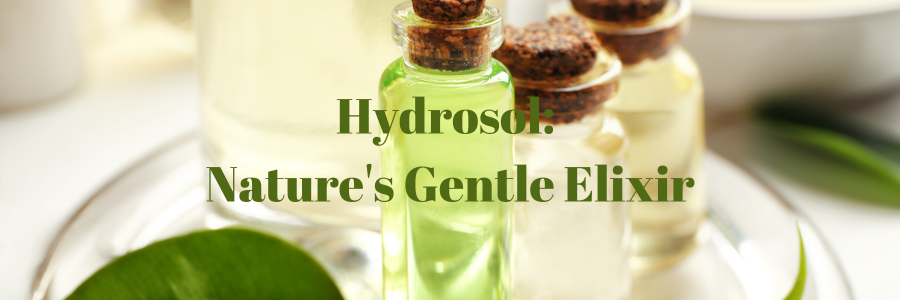
What is a Hydrosol?
A Hydrosol, also known as floral water, is a gentle, water-based extraction of plant material. Unlike essential oils, which are highly concentrated, hydrosols contain water-soluble plant compounds, making them mild yet effective. These aromatic waters are created through steam distillation, a process that captures both the essence and therapeutic properties of the plant.
Hydrosols are often used in skincare, aromatherapy, and wellness rituals. They have a soft fragrance, a light touch, and a range of benefits. Since they retain the essence of the plant but are less potent than essential oils, they can be applied directly to the skin without dilution.

Historical Uses of Hydrosols
The use of floral waters dates back centuries. Ancient cultures recognized their value for beauty, medicine, and spiritual practices. These fragrant waters were widely used in different civilizations for their healing, cleansing, and aromatic properties. Many cultures extracted hydrosols from flowers, leaves, and herbs to create remedies for skin ailments, promote relaxation, and purify their surroundings.

Botanical Face Toners
Throughout history, hydrosols played a crucial role in herbal medicine, cosmetics, and religious ceremonies. From soothing skin irritations to being used as holy water in rituals, they held an esteemed place in daily life. Their ability to balance, refresh, and heal made them an indispensable part of traditional wellness practices.
Traditional Applications
- Ancient Egypt: Egyptians used hydrosols in skincare and religious rituals. Rose water, a popular hydrosol, was a favorite of Cleopatra.
- Medieval Europe: Hydrosols were incorporated into herbal medicine for wound care and digestion.
- Traditional Chinese Medicine: Practitioners used floral waters for their balancing properties in healing treatments.
Today, hydrosols continue to be valued for their gentle yet effective therapeutic properties.
Can a Hydrosol be used in Skin Care?
Floral waters offer a refreshing, natural way to care for the skin. Their delicate yet powerful plant-derived properties help maintain a radiant and healthy complexion. Because they contain bioactive compounds, floral waters provide skin hydration, nourishment, and protection against environmental stressors.
Benefits for the Skin
- Hydration – Floral water provide moisture, making them excellent as facial mists.
- Soothing Properties – Chamomile and lavender floral waters can calm redness and irritation.
- Toning Effects – Rose and witch hazel hydrosols help tighten pores and balance oil production.
- Gentle on Skin – Unlike essential oils, floral waters are mild and suitable for sensitive skin.
- Cooling Sensation – Perfect for refreshing the skin on hot days or after sun exposure.
- Antioxidant Protection – Some floral waters, like green tea and rosemary, contain antioxidants that help defend against premature aging.
Because they are alcohol-free and natural, hydrosols make a great alternative to conventional toners and face mists.

Hydrosol vs. Floral Tea
While both hydrosols and floral teas involve plant extractions, they are fundamentally different in their preparation, concentration, and uses.
Because of these differences, hydrosols offer a more concentrated and versatile way to experience the therapeutic effects of plants, making them a valuable addition to both beauty and wellness routines.

Key Differences
- Extraction Process: Hydrosols are created through steam distillation, where plant materials are heated to release their water-soluble compounds and trace essential oils. Floral teas, on the other hand, are made by steeping dried flowers, leaves, or herbs in hot water, extracting only the water-soluble components without any essential oil content.
- Concentration: Hydrosols contain a unique combination of plant compounds, including microscopic amounts of essential oil and beneficial phytonutrients, making them more potent than floral teas. Floral teas, while still beneficial, lack the distillation process that intensifies the therapeutic properties found in hydrosols.
- Usage: Hydrosols are widely used in skincare, aromatherapy, and even household applications. They can be applied directly to the skin, used as facial mists, or incorporated into cosmetics and cleaning products. Floral teas, however, are primarily consumed as beverages, providing hydration and internal benefits rather than topical or aromatic applications.
Conclusion
Hydrosols are a wonderful addition to skincare and wellness routines. With a rich history and numerous benefits, they provide hydration, soothing properties, and gentle care for the skin. Their unique extraction process sets them apart from floral teas, making them a valuable natural product.
Whether used as facial mists, toners, or aromatherapy sprays, floral waters offer a refreshing and beneficial experience. Adding them to your daily routine can be a simple yet effective way to embrace nature’s healing touch.
For You Apothecary offers a wide variety of products made with hydrosols, here are a few:
Botanical Body Washes: (Calendula, Chamomile, Lavender, Tea Tree)
Botanical Shampoo & Conditioners: Calendula & Chamomile, Lavender & Chamomile, Rosemary & Mint
Botanical Face Toners: Chamomile, Lavender, Rose
Body Creams: Calendula & Chamomile, Lavender & Chamomile, Luscious, Tea Tree & Shea
Face Serums & Moisturizers: Vita C Rum Bundle, Botanical Face Moisturizer
Thank you so much for reading. Keep up to date with new posts and products by following us on social media. Facebook, Instagram and YouTube.