
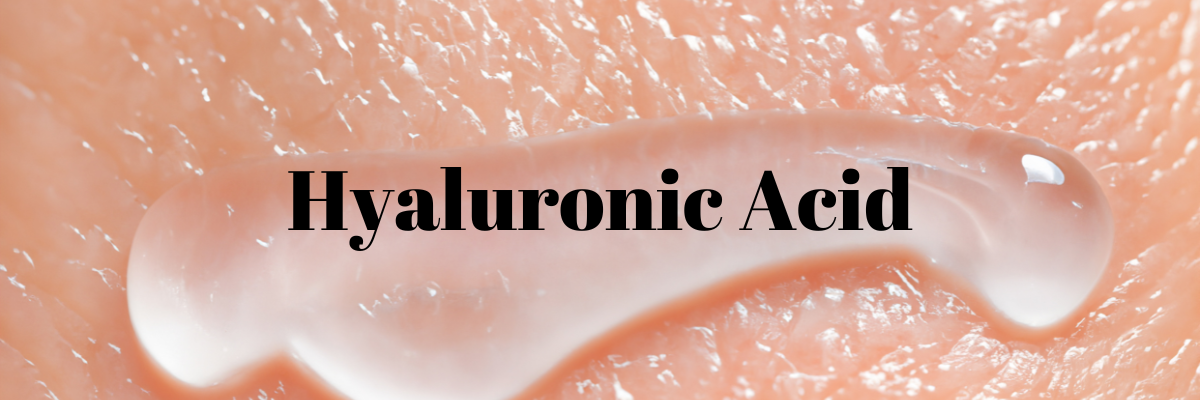
What Is Hyaluronic Acid?
Hyaluronic acid (HA) is a naturally occurring substance in the human body, primarily found in the skin, eyes, and connective tissues. It plays a crucial role in retaining moisture, keeping our skin plump and hydrated. This incredible molecule can hold up to 1,000 times its weight in water, making it a game-changer in the world of skincare.

The Discovery of Hyaluronic Acid
Hyaluronic acid was first discovered in 1934 by Karl Meyer and John Palmer, two scientists researching the components of the human body. They found this substance in the vitreous humor of a cow’s eye and named it "hyaluronic acid"—derived from "hyalos," the Greek word for glass, due to its clear, gel-like appearance. Over the years, researchers have continued to explore its benefits, leading to its widespread use in skincare, medicine, and even joint health treatments.
What Hyaluronic Acid Does for Your Skin
Provides Deep Hydration
One of the most well-known benefits of hyaluronic acid is its ability to deeply hydrate the skin. Because it attracts and retains moisture, it helps keep the skin soft, smooth, and plump. This hydration boost reduces the appearance of fine lines and wrinkles, making it a must-have ingredient in anti-aging skincare.
Strengthens the Skin Barrier
Our skin barrier is essential for keeping out pollutants, toxins, and irritants. Hyaluronic acid reinforces this barrier by maintaining hydration levels, preventing dryness and sensitivity. When the skin barrier is healthy, the skin looks more radiant and feels more resilient.
Enhances Skin Elasticity
With age, the skin’s natural production of hyaluronic acid decreases, leading to sagging and loss of firmness. By incorporating HA into your skincare routine, you can help restore elasticity and maintain a youthful appearance.
Aids in Wound Healing
Hyaluronic acid is also known for its role in tissue regeneration. It helps speed up wound healing by reducing inflammation and providing an optimal environment for skin repair. This makes it beneficial for those dealing with acne scars or skin irritation.

Why Natural Hyaluronic Acid Is Better for You
Many synthetic skincare products contain harsh chemicals that can strip the skin of its natural oils. Natural hyaluronic acid, derived from plant-based or bio-fermented sources, is gentler and more compatible with the skin. Unlike some artificial skincare ingredients, natural HA is well-tolerated by most skin types, including sensitive and acne-prone skin.
Choosing the Right Hyaluronic Acid Products
Not all hyaluronic acid products are created equal. Here are a few tips to ensure you get the best results:
- Look for multiple molecular weights: Low molecular weight HA penetrates deeper into the skin, while high molecular weight HA forms a protective layer on the surface.
- Pair it with other hydrating ingredients: Ingredients like glycerin, ceramides, and vitamin B5 enhance the effectiveness of hyaluronic acid.
- Apply it to damp skin: HA works best when applied to slightly damp skin, as it helps lock in moisture more effectively.


Incorporating Hyaluronic Acid Into Your Skincare Routine
Hyaluronic acid can be used in different ways depending on your skincare needs. Here’s how you can integrate it into your daily routine:
1. Serum
Serums containing hyaluronic acid are lightweight and absorb quickly. Apply a few drops before your moisturizer to maximize hydration.
2. Moisturizer
Many moisturizers include HA to provide long-lasting hydration throughout the day. This is ideal for dry or combination skin.
3. Face Masks
Hyaluronic acid face masks provide an intensive hydration boost, leaving your skin refreshed and revitalized.
4. Under Eye Treatments
If you struggle with dryness or fine lines under the eyes, look for an eye cream with HA to keep the delicate skin hydrated and smooth.
The Future of Hyaluronic Acid in Skincare
As research continues, hyaluronic acid remains one of the most studied and effective ingredients in skincare. Scientists are exploring new ways to enhance its stability and absorption, ensuring even better results for users. Whether you’re dealing with dry skin, fine lines, or simply want to maintain a healthy glow, HA is a powerhouse ingredient worth adding to your routine.
Final Thoughts
Hyaluronic acid is more than just a skincare trend—it’s a scientifically backed ingredient that has been transforming skin health for decades. Thanks to its ability to hydrate, strengthen, and rejuvenate, it remains a favorite among dermatologists and skincare enthusiasts alike. If you haven’t yet experienced the magic of hyaluronic acid, now is the perfect time to give it a try!
For more in-depth information, check out these sources:
At For You Apothecary we use Sodium Hyaluronate which is the salt form of HA and is a water-soluble salt that holds 1000 times its weight in water. Sodium Hyaluronate has a much lower molecular size, which allows it to penetrate the skin better. We incorporate HA in our Vita C Rum Serum and Vita C Rum Face Moisturizer, which is also available as a bundle (Vita C Rum Bundle) to help save you some coin.
Let us know—do you use hyaluronic acid in your skincare routine? Thank you so much for reading. Keep up to date with new posts and products by following us on social media. Facebook, Instagram and YouTube.